

Willamette Valley Real Estate Blog
Expert tips, market updates, and local insights to help you make informed real estate decisions in Oregon's beautiful Willamette Valley.
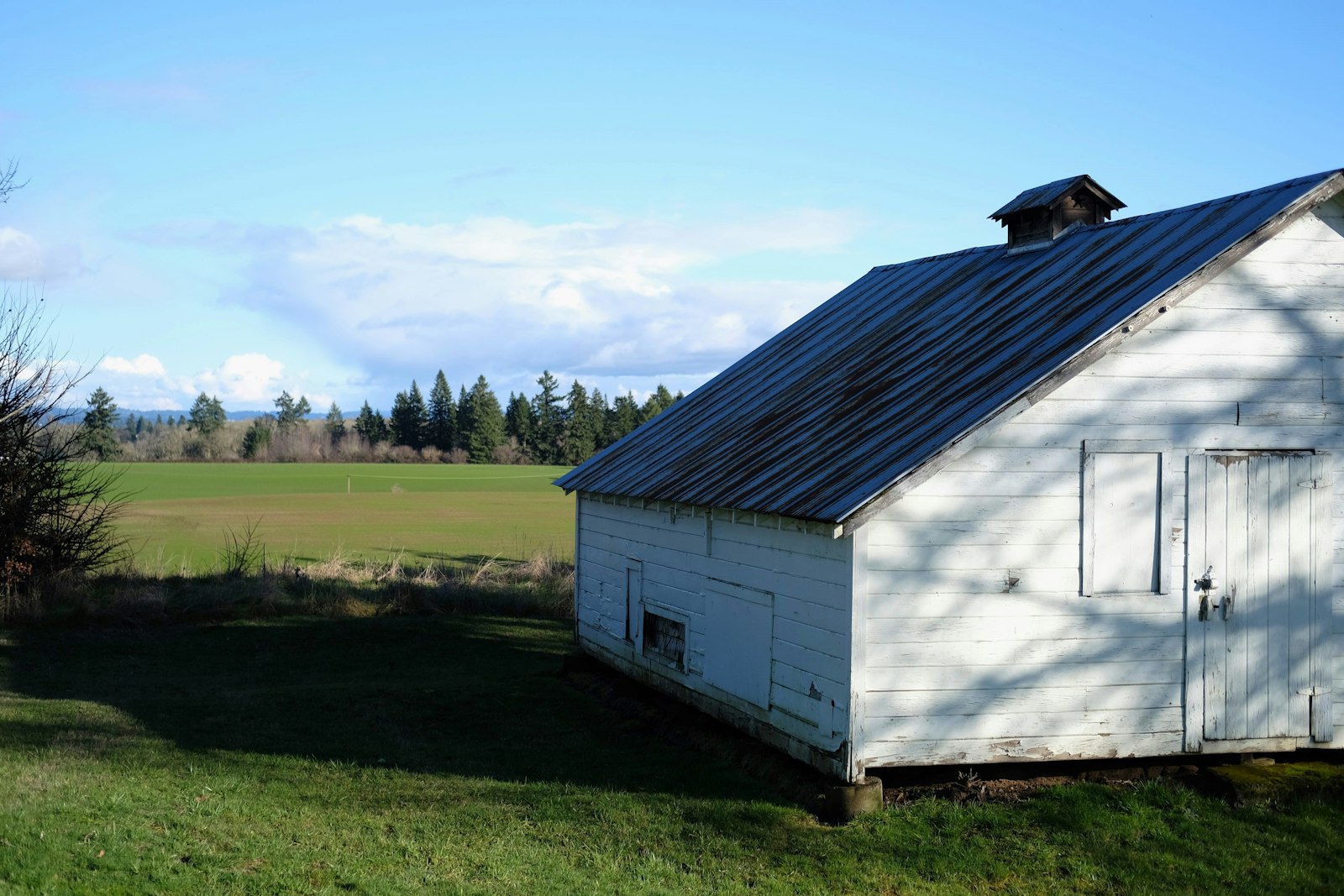
Zero Down Payment in the Willamette Valley: How USDA Loans Work in Dallas, Monmouth, and Independence
Zero Down Payment in the Willamette Valley: How USDA Loans Work
One of the best-kept secrets in Willamette Valley real estate has nothing to do with a hidden neighborhood or an off-market listing. It is the fact that several communities right here in the Valley qualify for USDA Rural Development loans, which means eligible buyers can purchase a home with zero down payment.
If you have been saving for a down payment and wondering when you will finally have enough, this might change your timeline entirely.
What Is a USDA Loan?
USDA loans, officially called Section 502 loans, are government-backed mortgages designed to help low-to-moderate income buyers purchase homes in designated rural and suburban areas. Despite the name, you do not need to buy a farm or live in the middle of nowhere. Many communities that feel fully suburban qualify because of how the USDA defines rural areas.
The headline benefit is simple: no down payment required. On a $450,000 home, that means you could skip the $13,500 to $90,000 you would need for a conventional 3 to 20 percent down payment. That is money you can keep in savings for moving costs, furniture, or an emergency fund.
Beyond zero down, USDA loans offer competitive fixed interest rates, no private mortgage insurance in the traditional sense (instead there is a smaller guarantee fee), and flexible credit requirements, with most lenders looking for a 640 credit score for streamlined approval.
Which Willamette Valley Communities Qualify?
This is where the numbers matter for Valley buyers. Several communities in the Willamette Valley fall within USDA-eligible zones. Eligibility is determined by specific property address, not just city name, but these areas generally qualify:
| Market | Recorded Sales | Median Sale Price | Median Days on Market | Price per Sq Ft |
|---|---|---|---|---|
| Dallas | 316 | $466,500 | 75 | $298 |
| Monmouth | 79 | $475,150 | 83 | $286 |
| Independence | 98 | $426,800 | 78 | $291 |
| Polk County overall | 954 | $475,000 | 75 | $278 |
Dallas, Oregon: With a population of around 16,000, Dallas sits comfortably within USDA eligibility thresholds. This charming community about 15 minutes west of Salem offers a genuine small-town atmosphere with a walkable downtown, excellent schools, and home prices below Salem proper. For buyers who want more space, a slower pace, and zero down payment, Dallas is one of the strongest options in the Valley.
Monmouth, Oregon: Home to Western Oregon University, Monmouth has a college-town energy with a walkable downtown, local coffee shops, and a younger, active community. Most properties in Monmouth qualify for zero-down financing. At a median of $475,150, Monmouth is not the bargain people assume a college town will be, but the combination of USDA eligibility and steady demand makes it worth a serious look for first-time buyers. Curious what your budget looks like here? Get a free Monmouth home valuation to see where you stand.
Independence, Oregon: Just across the Willamette River from Monmouth, Independence has its own distinct identity, a growing downtown, the beautiful Riverview Park along the river, and one of the best Fourth of July celebrations in the region. Like Monmouth, most properties here fall within USDA-eligible boundaries, and at a median of $426,800 it currently runs about $48,000 below Monmouth. Get a free Independence home valuation if you want to compare numbers.
Other potentially eligible areas: Portions of the rural areas surrounding Salem, Keizer, and McMinnville may also qualify depending on the specific address. The USDA eligibility map is the definitive tool for checking any property. I recommend verifying before you get your heart set on a specific home.
Who Qualifies for a USDA Loan?
USDA loans have income limits, not minimums. Your household income must be at or below 115 percent of the area median income. For most areas in 2026, that means a household of 1 to 4 people can earn up to approximately $119,850 and still qualify. Households of 5 to 8 people have a higher limit of around $158,250.
Beyond income, the basic requirements are:
The home must be your primary residence. No investment properties or vacation homes.
You must be a U.S. citizen or lawful permanent resident.
You need a dependable income history, typically demonstrated through two years of tax returns.
Most lenders want a credit score of 640 or higher for the streamlined approval process, though lower scores may qualify through manual underwriting.
Your debt-to-income ratio should generally be at or below 43 percent.
How USDA Loans Compare to Other Options
For buyers who qualify, USDA loans often beat FHA and conventional options on upfront costs:
With a conventional loan, you are typically looking at 3 to 20 percent down plus private mortgage insurance if you put down less than 20 percent. On a $450,000 home, that is $13,500 to $90,000 upfront.
FHA loans require 3.5 percent down, or $15,750 on a $450,000 home, plus an upfront mortgage insurance premium and ongoing monthly mortgage insurance for the life of the loan.
USDA loans require zero down. There is a one-time guarantee fee of about 1 percent of the loan amount, which can be rolled into the loan, and an annual fee of 0.35 percent. On that same $450,000 home, you are looking at roughly $4,500 in guarantee fees versus $15,750 or more with FHA, and you keep your savings intact.
The one catch is location: the property must be in a USDA-eligible area. That is why communities like Dallas, Monmouth, and Independence are such valuable options. They give you access to this financing without sacrificing proximity to Salem, schools, shopping, and the rest of Valley life.
How to Check Eligibility and Get Started
Step 1: Visit the USDA eligibility map at eligibility.sc.egov.usda.gov and enter the specific address of any property you are considering. The map will tell you instantly whether the location qualifies.
Step 2: Check your household income against the USDA income limits for your county and household size.
Step 3: Connect with a USDA-approved lender. Not all lenders offer USDA loans, so it is important to work with one that knows the program and can guide you through the process.
Step 4: Get pre-approved so you know exactly what you can afford and can move quickly when you find the right home.
The Bottom Line
If you are a buyer who has been waiting to save enough for a down payment, USDA loans might eliminate that barrier entirely. And if you are open to communities like Dallas, Monmouth, or Independence, which offer excellent quality of life, strong schools, and genuine small-town charm, you could be in a home sooner than you think.
I work with buyers in these communities regularly and can connect you with USDA-approved lenders who specialize in this program. There is no cost to explore your options.
Curious if the home you are looking at qualifies? Explore homes in Dallas, Monmouth, and Independence, get a free Monmouth or Independence home valuation, or contact me or call (503) 998-7760 and I will check the USDA map for you.
Source: Willamette Valley MLS (WVMLS) sold data, trailing 12 months through June 2026. Sales recorded only in other MLSs, such as RMLS, are not included. All figures are medians across recorded sales and are not a substitute for a property-specific valuation or loan qualification review.
Frequently Asked Questions
Do USDA zero-down loans still work in the Willamette Valley in 2026?
Yes. Dallas, Monmouth, and Independence still fall within USDA-eligible zones for most addresses. Median sale prices run from $426,800 to $475,150 per WVMLS data through June 2026, and eligible buyers can still purchase with zero money down.
Which Willamette Valley cities qualify for USDA loans?
Most properties in Dallas, Monmouth, and Independence qualify, along with parts of the rural areas around Salem, Keizer, and McMinnville. Eligibility is address specific, so always verify a property on the USDA eligibility map before you shop.
What are the income limits for a USDA loan in Oregon?
For most Oregon areas in 2026, a household of 1 to 4 people can earn up to about $119,850 and still qualify, while households of 5 to 8 people have a higher limit around $158,250, since USDA limits are based on 115 percent of area median income.
How much can a USDA loan save compared to a conventional loan?
On a $450,000 home, a conventional loan can require $13,500 to $90,000 down, while a USDA loan requires zero down plus a roughly $4,500 one time guarantee fee, based on the current 1 percent guarantee fee structure.
Is Monmouth or Independence the more affordable USDA-eligible city?
Independence is currently the more affordable option, with a median sale price of $426,800 compared to Monmouth at $475,150, a gap of about $48,000 per WVMLS data through June 2026.
Have Questions? Let's Talk.
I'm here to help you navigate the Willamette Valley real estate market with confidence.
Have Questions About the Market?
Get personalized insights about the Willamette Valley real estate market. I'm here to answer your questions and help you make informed decisions.